
TMJ Treatment – Colchester, VT
Get Lasting Relief from Debilitating TMJ Disorder Pain
Your temporomandibular joints (TMJ) connect your jaw to your skull bone, allowing your mouth to move while eating, speaking and smiling. However, these small delicate joints can become easily damaged or strained due to normal or excessive wear and tear, genetics, or even accidental injury. This in turn can cause severe discomfort, including limited jaw mobility, headaches, migraines, neck and shoulder pain, tinnitus, and more. If you are experiencing any of these symptoms, contact our dental team to learn more about how we can create lasting relief with TMJ treatment in Colchester.
Why Choose Elevate Dental for TMJ Treatment?
- Long-lasting, Minimally Invasive Solutions
- Variety of Treatment Options Available
- Customized Therapy for Teeth Grinding
What Is TMJ Disorder?
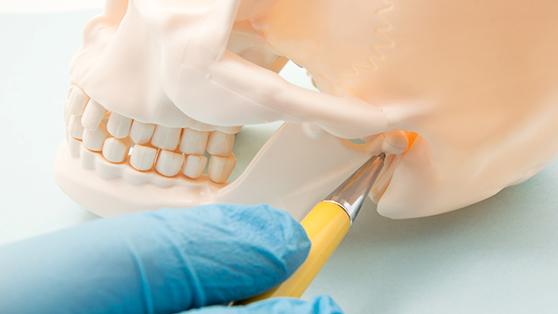
Also known as TMJ disorder, TMJ dysfunction is a condition affecting the temporomandibular joints, muscles, and connective tissues surrounding the jaw. These are what helps you open and close your mouth to eat, speak, laugh, and even sneeze.
The temporomandibular joints connect the mandible (lower jaw) to the maxilla (upper jaw). Unfortunately, when these joints become overworked due to things like bite problems, past oral injuries, and bruxism (teeth grinding) and sustain additional force and tension, it can result in chronic pain and discomfort.
Symptoms of TMJ Disorder

There are many symptoms of a TMJ dysfunction that you may experience, including:
- Jaw pain and tenderness.
- A clicking or popping sound when you open and close your mouth.
- Earaches or ringing in the ears (tinnitus).
- Neck and back pain.
- Difficulty or pain while chewing.
- Pain behind the eyes.
- Limited mouth movement.
- Changes in your bite.
Types of TMJ Treatment
There are a variety of different TMJ treatments available, depending on your individual symptoms. To determine which treatment option or options are best for you, you’ll first need to visit Elevate Dental for a consultation. At this appointment, your dentist will take some diagnostic imaging, such as X-rays or CBCT scans of the mouth and jaw joints.
Once we have a clearer understanding of your unique situation, your dentist can discuss your recommended treatment options with you and help you determine which is best based on your unique needs.
There are many reasons why patients can develop a TMJ dysfunction, such as genetics, prior injury, or bruxism, and your treatment options will largely depend on the root cause of your specific condition.
Occlusal Splint
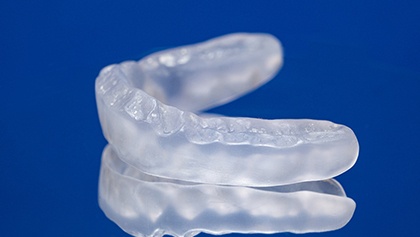
Occlusal splints are oral appliances that can help protect your teeth from grinding, which can make TMJ dysfunction symptoms worse. They work by shifting the jaw slightly forward, allowing the joints to rest comfortably while providing long-term relief from the tenderness and chronic pain associated with this condition.
Equilibration/Occlusal Adjustment
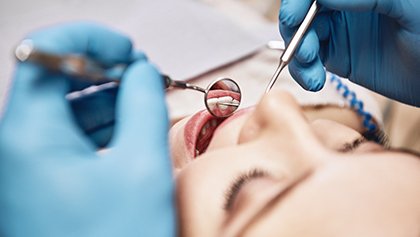
One of the most common causes of TMJ dysfunction is bite problems, which can often develop when dental restorations aren’t properly cemented into the mouth. This in turn causes an uneven distribution of force on the temporomandibular joints.
Occlusal adjustment assesses the bite and buffs down certain restorations or fillings that could be causing the uneven biteforce, helping the facial muscles and connective tissues relax.
MAGO Therapy
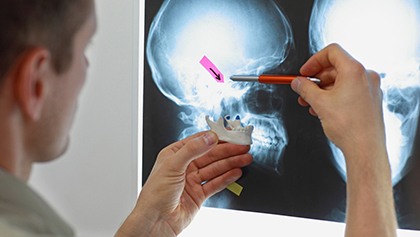
MAGO (Maxillary Anterior Guided Orthotic) therapy is a type of oral appliance therapy. It utilizes a device that is worn over the front teeth and adjusted weekly to keep your teeth apart, reducing inflammation and allowing the chewing muscles to relax so your jaw joints can restabilize. Each week as your TMJ joints move, your symptoms should lessen until your jaw has reached its ideal position.
BOTOX® Injections
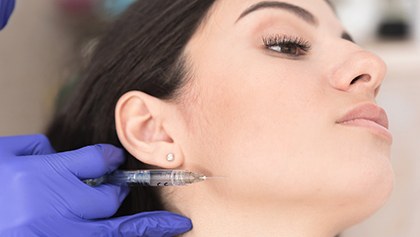
While you may have heard of using BOTOX to treat fine lines and wrinkles, it can also be used to treat TMJ dysfunction. Your dentist will place injections in various tensed muscles that help control the jaw, temporarily relaxing them. This treatment can last for several months but will likely need to be repeated once the effects wear off.
TMJ Treatment FAQs
Can TMD be cured permanently?
At Elevate Dental in Colchester, our hope is to help you find long-lasting relief from the symptoms of TMJ disorder. That is why we offer treatments that can quickly address the pain (such as BOTOX) and services that seek to address the underlying cause of the condition.
Very often, successful TMJ treatment provides long-term symptom relief. Some patients even enjoy permanent results! However, keep in mind that even if your treatment proceeds exactly as planned, TMD flare-ups may happen in the future. For example, you might start to experience symptoms again if your bite changes, you suffer a facial injury, or you go through an extremely stressful time in life. If your TMD comes back, let us know so we can assist you.
Can TMD be fixed with braces or Invisalign?
In some cases, the cause of TMJ disorder is directly connected to dental misalignment. After all, if your teeth and bite are not working harmoniously, that can place a lot of stress on your jaw joints! If dental misalignment is contributing to your symptoms, orthodontic treatment can re-align your bite and may result in a significant reduction of your symptoms.
Braces or Invisalign can take several months to produce results. Therefore, although they are effective, they are not generally a first-line treatment for TMJ disorder. If your dental misalignment is not currently a threat to your oral health, we will likely recommend more conservative, faster options first.
Is TMJ treatment safe?
Most forms of TMJ treatment are very safe! For example, occlusal splints and MAGO therapy are non-invasive and gentle, so any side effects are generally quite minor. Equilibration is also conservative and carries very little risk when it is performed out by a trained professional. BOTOX is safe as well, though in very rare cases, patients react poorly to it. That is why we will thoroughly screen you for allergies and other medical conditions that might mean BOTOX is not a good fit for you.
Occasionally, we may have to refer patients for surgical treatment of their TMJ disorder. While surgery carries certain risks, its potential rewards often far outweigh the downsides. (Surgery is a last resort for treating TMD, so it is unlikely that you will need it!)
How long does TMJ treatment take?
The timeline for TMJ treatment depends on a few factors. For example, BOTOX injections can start to provide significant pain relief within just a few days. The use of an orthotic device may make a difference quite quickly, though it could take weeks or months of consistent use to optimize its results. Many patients notice a positive difference in their symptoms very soon after undergoing equilibration.
Keep in mind that patients respond differently to different therapies, so be patient and comply with any instructions that come with your treatment. If you do not experience relief within a reasonable period of time, we might have to consider a different approach.